Era Pickleball: Success Stories from pickleball classes Alumni
In the late afternoon light, the gym echoes with the soft thud of paddle on ball and the occasional laugh that travels farther than the sound. Era Pickleball has built more than a space to hit balls. It has created a community where players arrive a little unsure, leave a little wiser, and carry a sense of purpose into their next game. The stories you’re about to read come from alumni who started in beginner clinics and found something deeper—the confidence to push through plateaus, a coaching style that respects individual pace, and a network of fellow players who cheer for every inch of progress.
What follows is not a glossy brochure nor a scattershot list of victories. It’s a mosaic formed from real sessions, real wins, and the quiet, stubborn moments that separate casual players from people who know how to compete with grace. The thread that ties these narratives together is practical growth—the kind that can be measured in sharper footwork, smarter shot selection, and the willingness to learn from failure rather than pretend it didn’t happen.
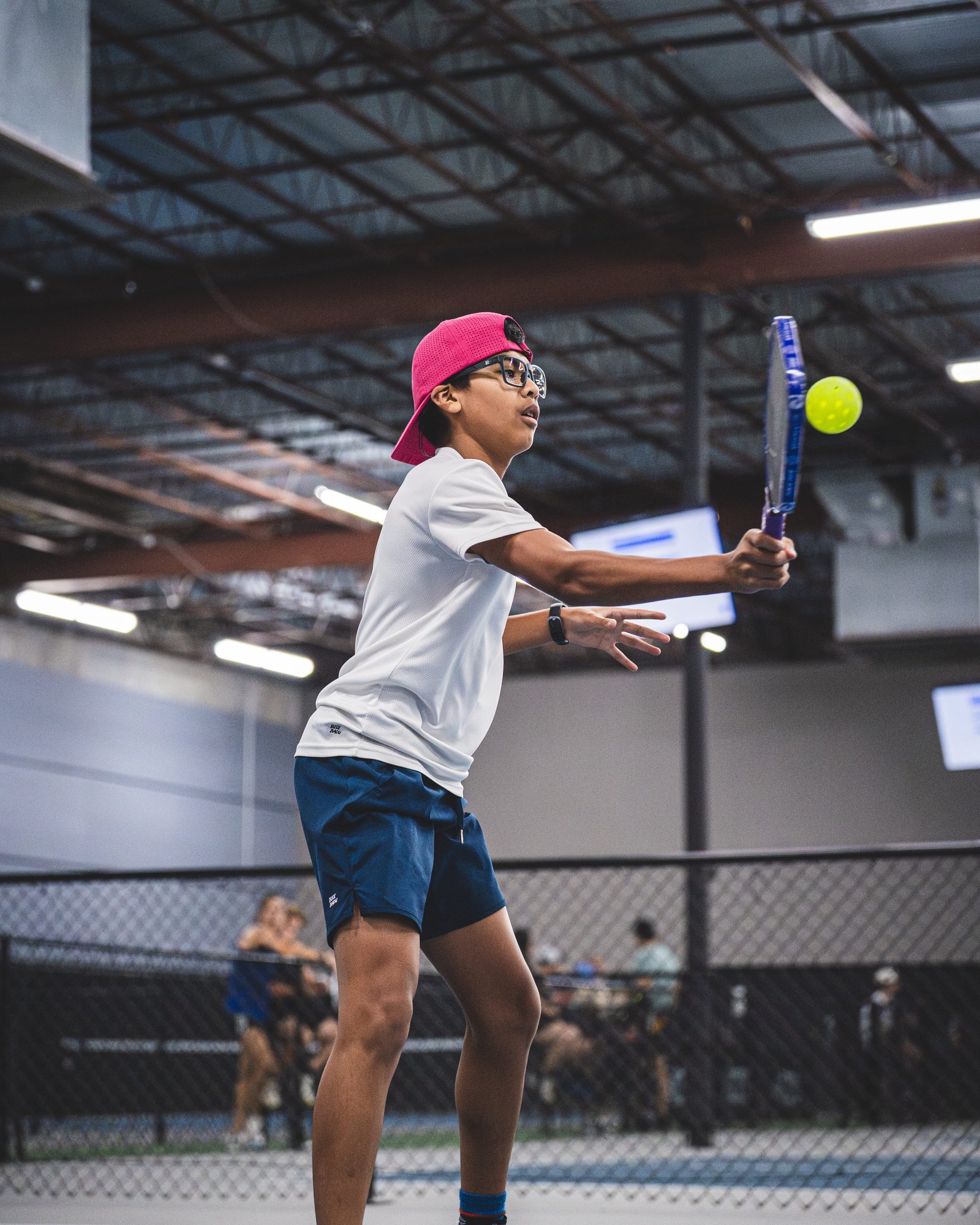
A culture of approachable excellence
Era Pickleball classes have earned a reputation for balancing structure with flexibility. The coaching philosophy is not about turning everyone into a pro overnight. It’s about laying a foundation that respects different bodies, schedules, and ambitions. For many alumni, the process started with a single question during the first class: How can I do this better next week? The answer arrived not in a single technique but through a sequence of small adjustments that aligned body positioning, paddle angle, and judge-your-distance intuition.
What makes the environment distinctive is the attention to the human element. Coaches remember names, remember injuries, and remember the moment a learner discovers a tool that finally clicks. A student who once suffered from ankle stiffness discovers a stance that reduces torque without sacrificing balance. A former social player discovers the thrill of controlled aggression in a rally, choosing to transition from reactive returns to proactive placement when the moment calls for it. The tone stays supportive, firm where needed, and generous with feedback.
The process often begins with assessment rather than assumption. In the first few sessions, coaches map out a plan that respects a player’s history—tennis elbows, knee surgeries, or a simple preference for the non-dominant hand. Time is spent diagnosing rhythm issues, not chasing perfect technique from the outset. By documenting a baseline and then revisiting it every few weeks, alumni see measurable progress while enjoying a learning path tailored to their life outside the gym.
From beginner to steady competitor
Consider the case of Mia, who joined Era Pickleball because a friend coaxed her after a summer of casual backyard play. She walked into the gym with a can-do attitude but a timid serve and a tendency to overrun the front line. In the first month, she learned to step in with her weight over the ball, keeping her paddle in the center of her stance rather than leaning forward. It wasn’t glamorous, but the effect was immediate. Her returns tightened, the ball began to drop more consistently in the kitchen, and her confidence grew.
Mia’s progression wasn’t a straight line. There were weeks when footwork felt clumsy, when she misread a shot that seemed simple, and when the shuttle just wouldn’t cooperate. What mattered was how the coaching staff reframed missteps. They guided her to watch for patterns in the opposing players rather than chase every errant shot, turning losses into diagnostic moments. This approach transformed her play style from reactive to strategic. By the second season, Mia was closing matches with a blend of placement and pace, a skill she credits to the deliberate practice structure at Era Pickleball.
Then there’s Jordan, a weekend warrior who balanced a demanding job with a growing love for pickleball. He entered the program with good reflexes and a sharp sense of rhythm but limited endurance. The coaching team built a conditioning microcycle around his busy weeks. Short, intense practice blocks focusing on lateral movement, edge-to-mid-court transitions, and anticipatory footwork reshaped his in-game stamina. Jordan learned to read the bounce angle sooner and to commit to the net when the rally demanded it, instead of defaulting to a long baseline exchange. The result was not only better wins but a renewed relationship with his job and a surprising reserve of energy on court nights.
What these stories illustrate is a pattern more enduring than any single technique. The graduates of Era Pickleball classes carry with them a bootstrapped sense of how to learn new skills in a field that rewards cognitive flexibility as much as physical speed. They show up to practice not to replicate a perfect shot but to experiment with options, to measure outcomes, and to iterate toward a more reliable game.
Coaching that respects the learning arc
A distinctive feature of Era Pickleball coaching is the explicit acknowledgment that players arrive with different strengths. Some people come with athletic backgrounds in racquet sports and search for the subtleties of pickleball’s dinks and soft hands. Others arrive with minimal sports history, curious about a friendly, low-risk arena for fitness. The coaches recognize both as legitimate starting points. They design progression ladders that allow steady gains while avoiding the trap of pushing someone into a speed trap they’re not ready for.
This philosophy manifests in practical, everyday coaching choices. For instance, drills emphasize control and decision-making under pressure rather than flashy power. A common session structure might begin with short, tight consistency exchanges—think three balls in a row to a target area—followed by a second block where players practice closing the point at the net with a crisp volley or drop shot. Third, a match-play segment invites participants to apply the morning’s lessons under observable pressure. The cadence is deliberate, and the feedback is specific. Coaches comment on foot placement, paddle-face alignment, and the timing of a nonverbal cue that signals a shift in the rally’s dynamic.
The alumni who stay long enough to absorb this nuance tend to surface a few habits that distinguish steady players from those who drift. They learn to value the warm-up as part of performance, not as a ceremonial filler. They map out the court in terms of zones rather than simply points or shots, meaning they anticipate which shots are most likely to be effective from particular positions. They also cultivate a practical sense for how to pace a rally, knowing when to push, when to absorb, and when to pivot to a defensive stance that buys time for a smarter attack.
A culture of observation and peer learning
Another layer of Era Pickleball’s success is the social fabric that forms around the classes. Alumni who stay engaged become mentors for newer players. They share ritual cues—how they breathe before a serve, how they align their shoulders to reduce shoulder strain, how they choose a starting point for a dink pattern. This peer mentoring is not formal coaching; it’s experiential knowledge that emerges through practice, conversation, and shared court time.
The community benefits in practical ways. Players who might have felt isolated in a sport with a reputation for intensity find a welcoming space where questions are encouraged. They get feedback from friends who speak the language of the game in plain terms. The dynamic keeps beginners from feeling overwhelmed and helps advanced players maintain a growth mindset, a crucial factor for continued improvement. In turn, the mentors gain confidence as they articulate what they’ve learned, and that articulation crystallizes their own understanding.
Shifts in perspective often accompany tangible skill gains. A player who first joined Era Pickleball with a penchant for long rallies might discover the value of short, decisive exchanges that finish points. A former net-hopper who relied on instinctual reflexes learns to regulate pace and balance, reducing unforced errors in high-stakes moments. The impact travels beyond the court. Alumni report better balance in daily activities, improved posture, and a greater willingness to try new physical challenges, from hiking to recreational tennis. The sport becomes a scaffold for broader life experiences, not just a pastime.
The practical arc of a season
What makes these narratives come alive is the seasonal rhythm of training, competition, and recovery. A typical cycle in Era Pickleball classes includes a focused period for technique refinement, followed by a stretch of competitive play that tests the cumulative skills under stress. The cycle then pivots toward maintenance—adjusting routines for aging bodies or for players returning after a layoff. Time is spent not on chasing a magic drill but on cultivating consistent decision-making across variable contexts.
This approach yields a predictable but nuanced progression. Rookies start with basic ball control, then gradually expand into controlled patterns in mid-court exchanges. By month two, many players test variations of the same shot from different angles, building a mental library of options. By the third month, the pressure and tempo pick up enough to reveal weaknesses that were previously hidden by slower pace. The coaching team reframes those weaknesses as solvable problems, turning them into targeted drills that align with each player’s goals—whether that means playing more for fun, competing in local leagues, or aiming for club championships.
The role of equipment and environment
Era Pickleball classes emphasize technique and strategy, yet the environment and equipment matter just as much as any drill. The courts are well-marked, with attention given to lighting, floor cleanliness, and net tension. The soundscape of the facility is intentionally moderate, allowing players to hear ball contact, footwork shifts, and the subtle cues coaches rely on for feedback. It is not a showroom for the latest gear; it is a workshop where equipment choices support sustainable practice.
Paddles, paddles, and more paddles. Players discover that paddle weight, grip circumference, and surface texture influence feel more than marketing promises. The typical progression includes an initial evaluation of grip comfort and paddle balance, followed by recommendations that align with a player’s swing speed and injury history. For someone with a history of wrist discomfort, a slightly lighter paddle or a bevel that reduces grip tension can transform a tense practice into a sustainable routine. For a player with a powerful drive, a paddle with a stable sweet spot helps maintain accuracy under pressure.
Edge cases and adjustments
No program is universal, and Era Pickleball is careful to accommodate edge cases. For players recovering from injuries, the coaching team builds softened drills that protect vulnerable joints while preserving the cognitive benefits of practice. There are practical limits to what can be recovered within a given season, and honest, early communication is valued more than a false promise of dramatic leaps. Some players benefit from longer ramp-ups, while others thrive on condensed sessions that emphasize mental resilience and shot selection rather than sheer stamina.
The alumni network often becomes a resource for navigating these edge cases outside the gym, too. A player addressing chronic shoulder strain might discover a local physical therapist who specializes in overhead motion, while another participant might benefit from a weekly mobility routine that complements on-court work. The coaching staff stays connected with medical and wellness professionals, recognizing that success on the court requires attention to the whole person.
Stories of impact beyond the baseline
Behind every clear forward motion on the court is a cascade of small shifts in confidence. For erapickleball.com some alumni, the biggest change is psychological. They report becoming more decisive in other parts of life—making quick, informed choices at work, or simply stepping into social situations with less hesitation. In a sport built around quick reads and rapid adjustments, that mental shift translates into better performance across domains.
A notable example is Elena, who joined Era Pickleball after years of couch-bound weekends. She learned to manage expectations with a healthier self-talk routine. Instead of fixating on mistakes, she developed a habit of labeling the choice that would matter most in the next rally. That mindset carried into family life when Elena found herself mediating a dispute with the same cool, process-oriented approach she used on the court. The discipline she practiced in training—daily micro-adjustments, honest self-assessment, and accountable goals—became a template for personal growth.
Then there’s Raj, who leveraged the community network to pursue an amateur league opportunity. He had a solid foundation but felt the drift between recreational play and competitive performance. Era Pickleball introduced him to structured practice, video analysis, and peer feedback that helped him compartmentalize his game into clear components. Within a few months, Raj found himself finishing rallies with a calm, deliberate tempo and a better sense of when to press for a winning shot versus when to reset the rally and rebuild.
Practical takeaways for future learners
For readers considering Era Pickleball classes, a few grounded suggestions can make the first stretch more productive. Begin with a candid assessment of your goals. Are you in it for fitness, social connection, or competition? Let the coaching staff tailor your path accordingly. Come with curiosity as your primary gear. The more open you are to observation and feedback, the more quickly you’ll translate technique into consistent performance.
Treat practice as a laboratory. Small, repeatable drills offer more long-term value than marathon one-offs. A five-minute drill repeated three times per week can yield more reliable improvement than a single hour-long session filled with sporadic efforts. Track your progress not just by wins and losses but by how often you feel in control of the rally, how quickly you recover after an error, and how well you apply the morning’s lessons in a match.
Finally, cultivate a habit of reflective play. After each session, jot down one thing that worked, one thing that didn’t, and one tweak you want to test next time. This habit makes the learning loop tangible and accelerates the path from novice curiosity to confident competence.
Two essential insights that emerge from alumni testimony
-
Consistency over intensity. The fastest path to meaningful improvement comes from steady, focused practice rather than sporadic bursts of effort. The best players you meet in Era Pickleball classes aren’t the ones who practice longer sessions; they are the ones who practice with intention across weeks and months.
-
The value of a coaching dialogue. The most impactful coaches don’t simply demonstrate moves; they invite players to articulate what they feel and what they imagine will happen next. This dialogue deepens understanding and makes skills transferable to new opponents, court layouts, or even different sports.
A call to join
If you’re standing on the edge of the court, listening to the soft thud and wondering whether this is for you, consider what Era Pickleball represents beyond the mechanics of the game. It’s a shared pursuit of improvement that respects your time, your body, and your ambition. It’s a space where the smallest improvements accumulate into a dependable game, where a friendly challenge evolves into a reliable sense of momentum, and where the community you build becomes a resource you can lean on long after the class ends.
The alumni stories you’ve met here are not fairy-tale endings. They are living records of practical growth, of real people who made a simple decision to show up, to listen, and to practice with intention. They remind us that skill is not a single breakthrough moment but a sequence of small, repeatable actions performed with care in a persistent rhythm. In a sport that rewards anticipation as much as reaction, that rhythm is a kind of artistry, and Era Pickleball has curated a studio where that artistry unfolds for every player who walks through the door.
A note on the future
As the seasons turn and new cohorts arrive, Era Pickleball continues to adapt, refine, and expand. The core promise endures: a training environment that respects the pace of individual learners while maintaining a shared commitment to growth. If you have watched a friend or colleague return from a class with a story that sounds almost identical yet deeply personal, you understand the power of a well designed program. It is not simply about winning more points; it is about winning a little more of life—one drill, one rally, one conversation at a time.
The portraits of alumni who have walked these halls show what is possible when expertise meets empathy, when a coaching team remains patient with the process, and when players embrace a practice routine as a means to a richer daily experience. The sport is accessible; the culture is inclusive; the potential for improvement is real. If you’re curious about Era Pickleball pickleball classes, if you want to explore what pickleball training or pickleball coaching might unlock for you, a conversation with a coach is the most honest starting point. Bring questions, bring a friend, bring a readiness to experiment. The court awaits.
Two final reflections from the heart of the program
-
The most valuable lesson often hides in plain sight: small, repeatable improvements compound. A good drill done consistently beats a perfect drill attempted sporadically.
-
Community sustains progress. The classroom becomes a laboratory, and the laboratory becomes a home. When players feel seen and supported, they play with courage and curiosity.
If these narratives echo your own curiosity, Era Pickleball is more than a place to learn a sport. It is a place to forge a relationship with movement, a practice that builds resilience, and a network of people who care about your growth as much as your next rally. The alumni prove it can be done: you can walk in as a beginner and walk out with a game you’re proud to call your own, plus a circle of friends who will cheer you on as you keep climbing.
Two compact pieces of advice that have stood the test of countless sessions
-
Start with the basics and stay disciplined about the fundamentals. Clean contact, steady footwork, and predictable ball placement unlock more complex patterns later.
-
Seek feedback as a habit. Ask a coach, a peer, or a friend watching from the sideline to describe one thing you did well and one thing you could adjust. The clarity that comes from external observation accelerates your learning curve.
The stories preserved here are a living testament to what a well run pickleball program can do. They remind readers that the payoff of participation often arrives in quiet forms: a better night’s sleep after a week of consistent practice, a sharper eye for angles, a lighter step when the court invites a difficult road. They remind players that a supportive coach can transform a shy learner into a confident competitor, not because the coach insists on flawless execution, but because the coach creates an environment where progress is possible, where effort is recognized, and where the joy of the game remains intact.
If you’re ready to explore these possibilities, Era Pickleball classes await. The door remains open, the court lines crisp, and the rhythm of a game well played waiting to meet your own story in progress. The next chapter is yours to write, one rally at a time.